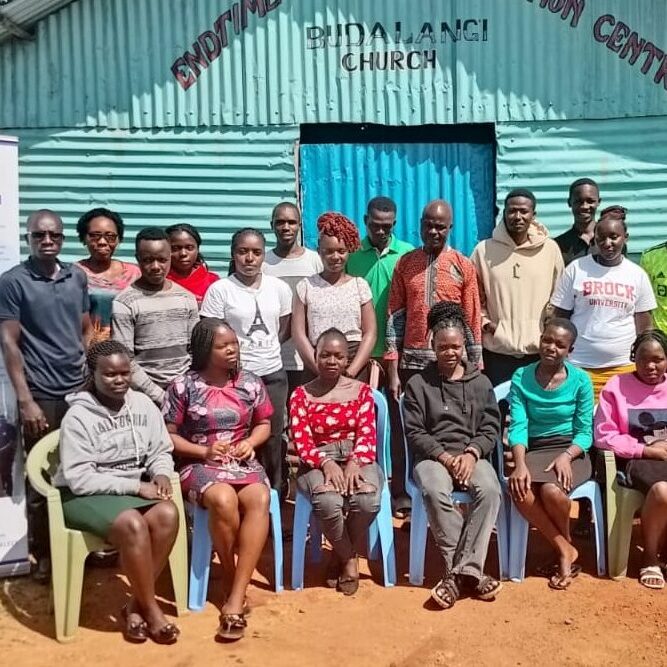
Digital literacy training Bunyala Sub county under the trust lab incubator project
THE GROWING CHALLENGE OF MISINFORMATION IN WESTERN KENYA
In recent years ,misinformation has become a serious concern across Kenya, With western region being particularly affected .The rapid spread of false/misleading information -especially through social media platforms such as Facebook , WhatsApp, TikTok, and X has influenced public opinion, community relations & decision making. As internet access continues to grown, so does the challenge of distinguishing truth from falsehood.
WHAT IS MISINFORMATION ??
Misinformation refers to false, inaccurate, or misleading information shared without intent to deceive. This is different from disinformation, which is deliberately created to mislead.
In Western Kenya, misinformation often spread through forwarded messages, unverified videos, voice notes, and edited images shared within community and family groups.
COMMON TYPES OF MISINFORMATION IN WESTERN KENYA
1.Political misinformation – During election periods , false claims about candidates, voting procedures, and results circulate widely .
These messages can heighten tensions, create mistrust in institutions, undermining democratic processes.
2.Health-related misinformation – False information about diseases, vaccines, and traditional remedies has been common.
During health crises, such misinformation can discourage people from seeking proper medical care.
3.Religious and cultural misinformation – Misquoted religious or false prophecies sometimes spread fear of unrealistic expectations within communities, especially in rural areas where trusted local leaders hold significant influence.
WHY IT’S SPREADING AND WHY IT MATTERS
If you’ve ever received a WhatsApp message warning you a looming danger, a miracle cure, or a shocking political claim, you’re not alone. In Western Kenya , misinformation has become a daily part of online life & it’s effects are being felt in homes, markets, churches, and public spaces.
HOW MISINFORMATION SPREADS
Social media has made it easier than ever to share information instantly. Unfortunately, false information just as fast-sometimes faster-than the truth. Forwarded messages, voice notes, and short videos are often shared without checking their source, especially when they come from people we trust
Content that sparks fear, anger, or excitement is more likely to be shared. This is why alarming rumors about security, elections, or health issues can quickly go viral across villages and towns.
THE REAL-LIFE IMPACT
Misinformation is not harmless. In Western Kenya, false information has caused panic, discouraged individuals from seeking medical care, and deepened political and social divisions. During elections or health emergencies, misleading can influence critical decisions and put lives at risk.
Why is the Region vulnerable ??
(i) Strong reliance on word-of-mouth and community networks
(ii) Limited digital literacy, especially among new internet users
(iii) Language translation that sometimes change the original meaning
(iv) High trust in authority figures and viral content
WHAT CAN WE DO ?
The fight against misinformation starts with individuals. Before sharing content, ask simple questions “who shared this?’ is there evidence? can it be confirmed by a reliable news source?
Community leaders , local media, and educators also play a key role in spreading accurate information and teaching people how to verify what they see online.
Misinformation thrives where ignorance, doubt and fear exist. By choosing to pause, verify, and think critically, communities in Western Kenya can protect themselves from false narratives and build a mre informed society.
“THINK BEFORE YOU SHARE -BECAUSE THE TRUTH MATTERS
Leave a Reply